
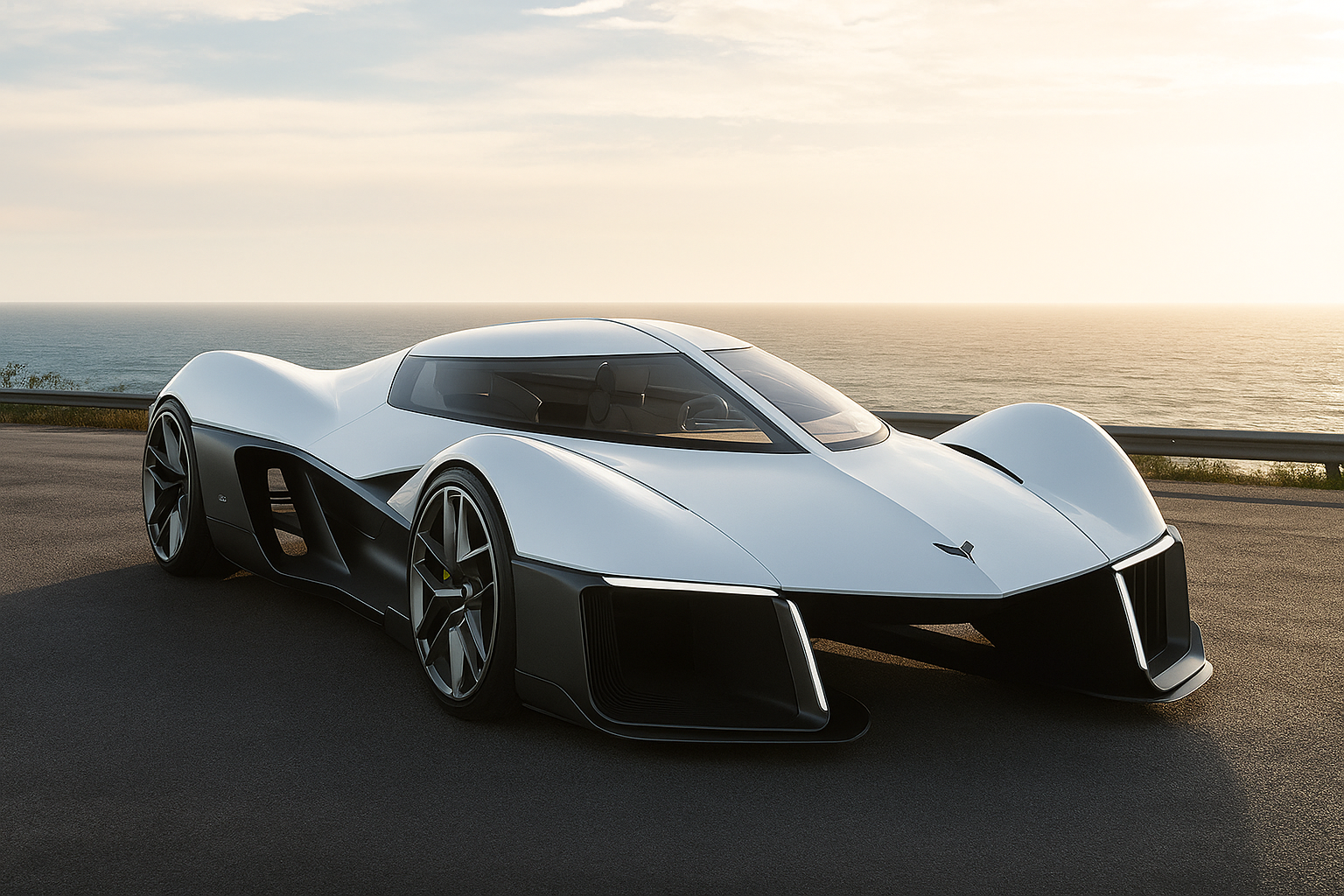
Chevrolet Reinvents the Corvette as an All-Electric Hypercar — and It's Unlike Anything Before
The Corvette is going electric — and not just electric, but fully reimagined as a futuristic hypercar.
Unveiled by Chevrolet at GM’s UK-based Advanced Design Studio, this striking concept signals a bold new chapter for one of America’s most iconic performance cars. And while its radical design has turned heads across the industry, it’s the absence of a roaring V8 under the hood that’s left fans both shocked — and divid
The Corvette is going electric — and not just electric, but fully reimagined as a futuristic hypercar.
Unveiled by Chevrolet at GM’s UK-based Advanced Design Studio, this striking concept signals a bold new chapter for one of America’s most iconic performance cars. And while its radical design has turned heads across the industry, it’s the absence of a roaring V8 under the hood that’s left fans both shocked — and divid
A Glimpse Into the Electric Future
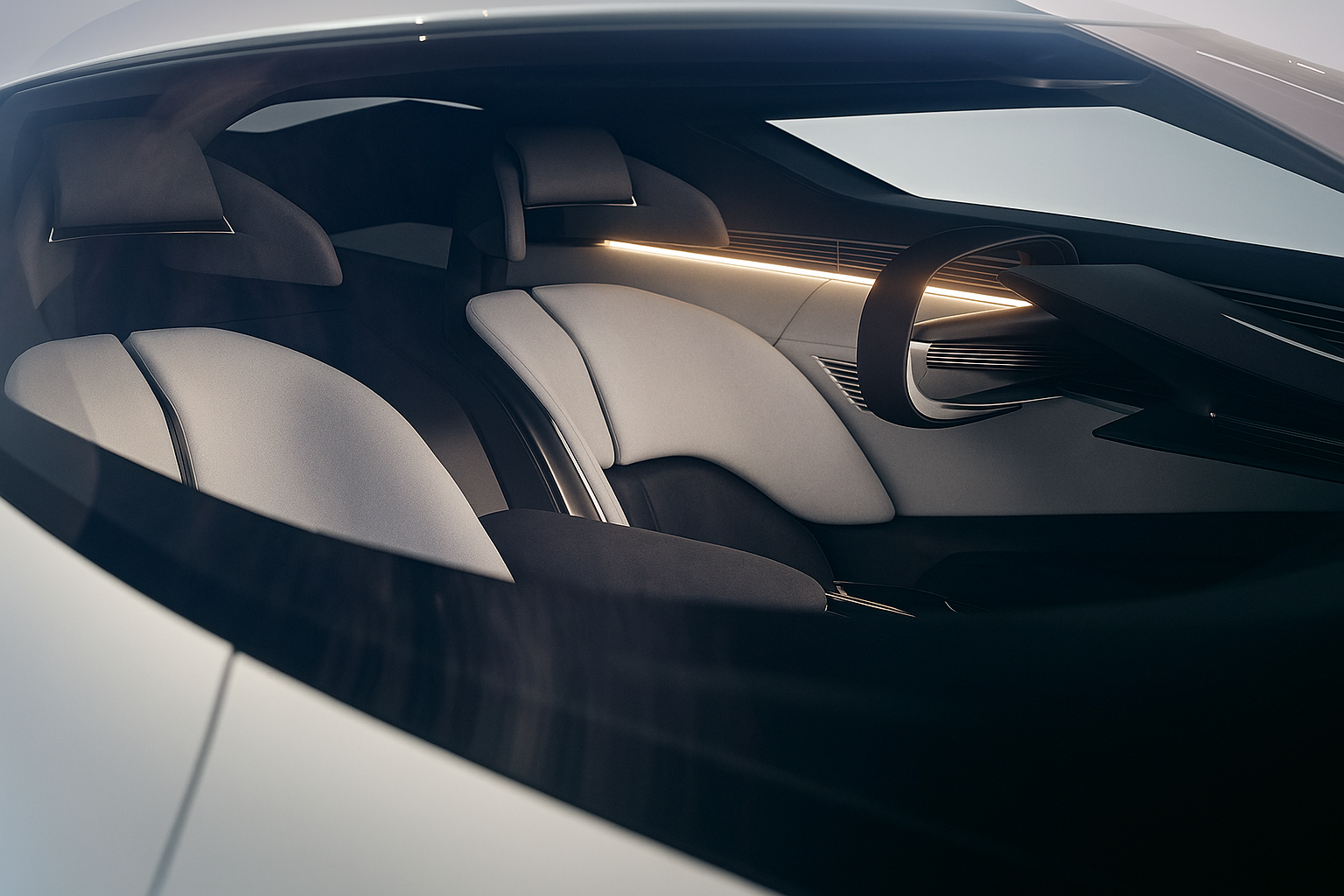
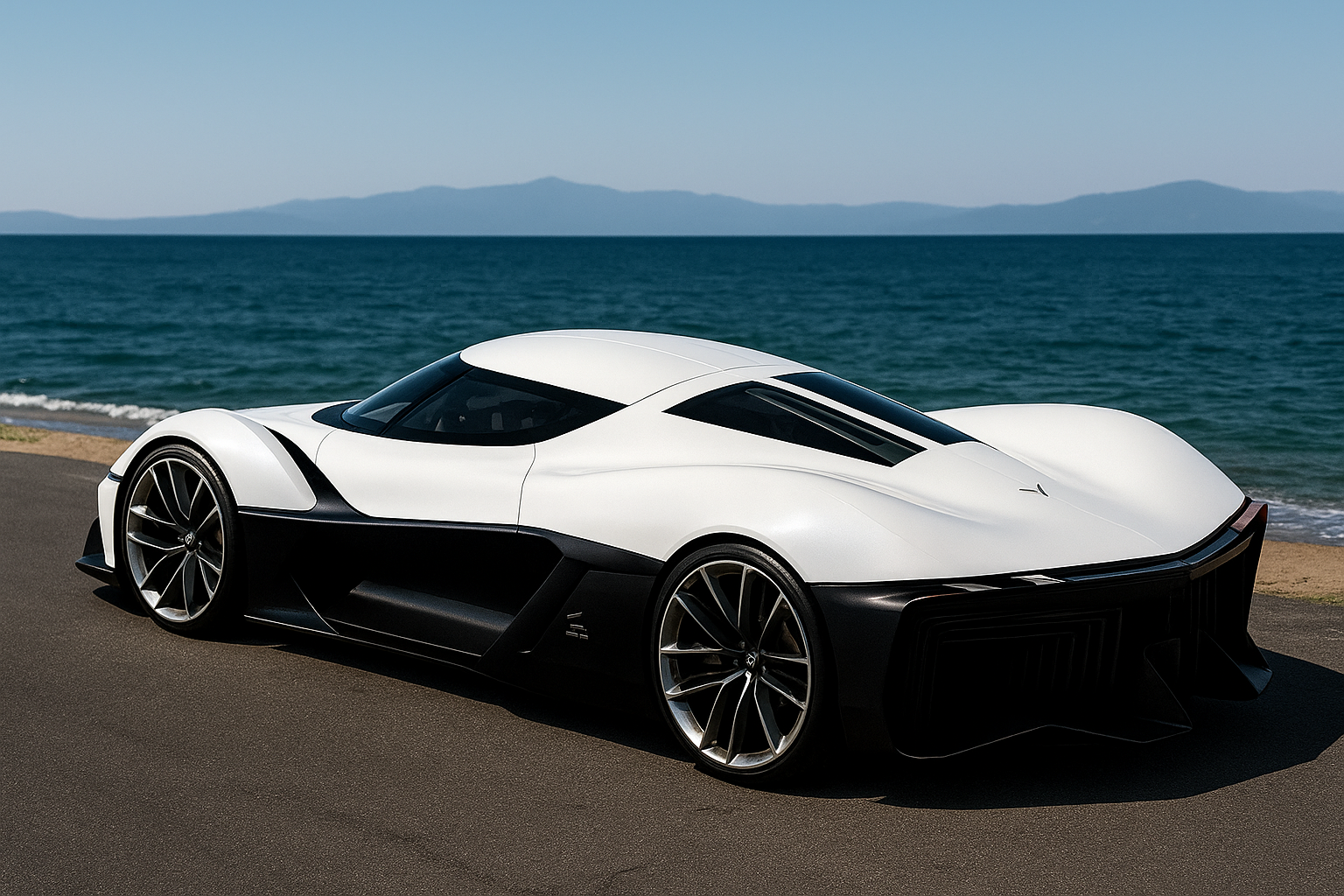
Chevy's new Corvette concept doesn’t just play with electrification — it dives in headfirst. The car was built from the ground up as a next-gen EV hypercar, with no attempt to retain internal combustion. The design borrows from Corvette heritage, but it’s clear the brand is looking forward, not back.
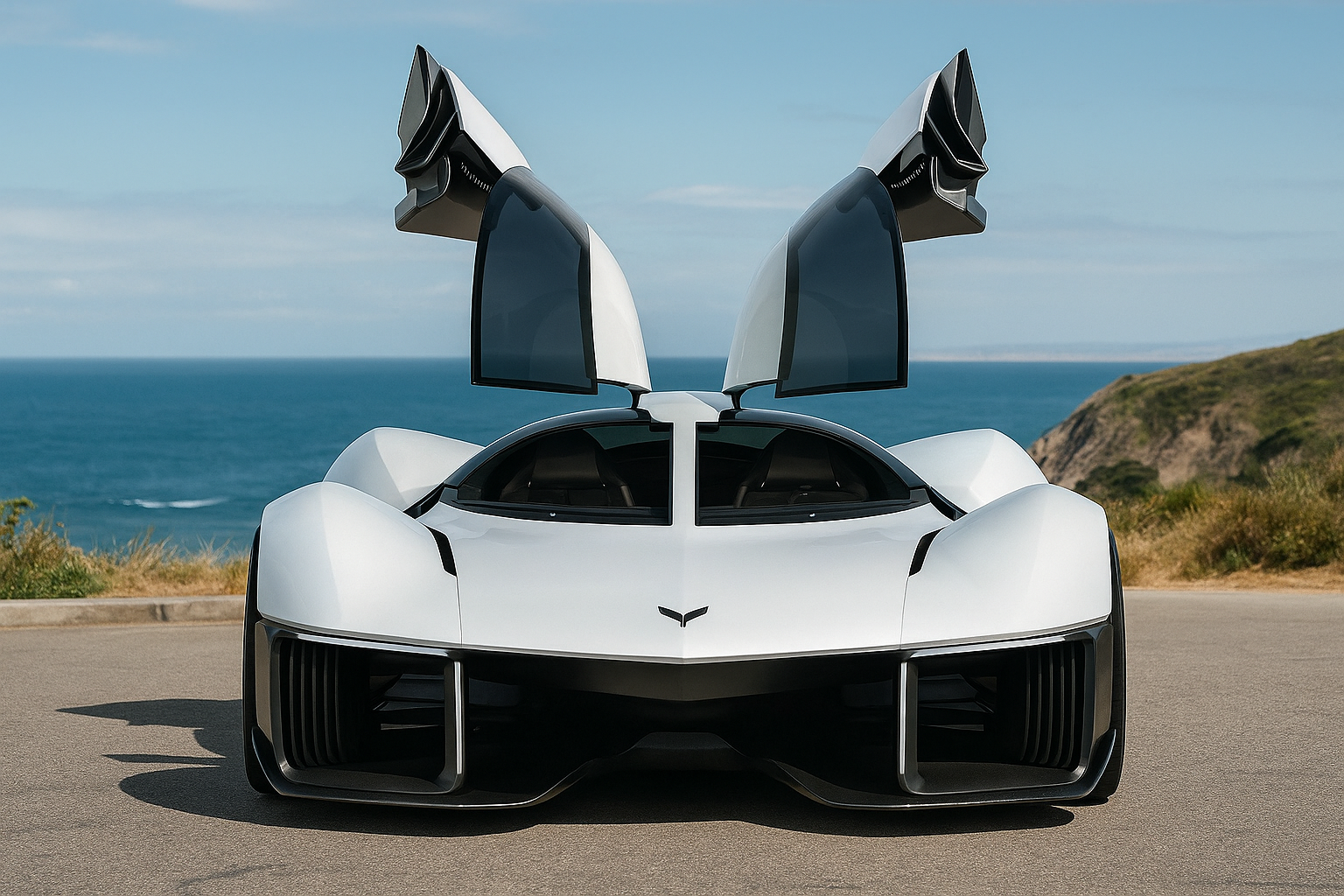
Among the nods to the past: dramatic gullwing doors and a split rear window — a subtle homage to the 1963 Corvette Sting Ray. At the heart of the design is a structural centerpiece called "Apex Vision," which supports a sweeping panoramic canopy offering maximum road visibility and a spaceship-like cabin feel.
Chevy's new Corvette concept doesn’t just play with electrification — it dives in headfirst. The car was built from the ground up as a next-gen EV hypercar, with no attempt to retain internal combustion. The design borrows from Corvette heritage, but it’s clear the brand is looking forward, not back.
Among the nods to the past: dramatic gullwing doors and a split rear window — a subtle homage to the 1963 Corvette Sting Ray. At the heart of the design is a structural centerpiece called "Apex Vision," which supports a sweeping panoramic canopy offering maximum road visibility and a spaceship-like cabin feel.
Size, Stance, and Aero: Hypercar DNA
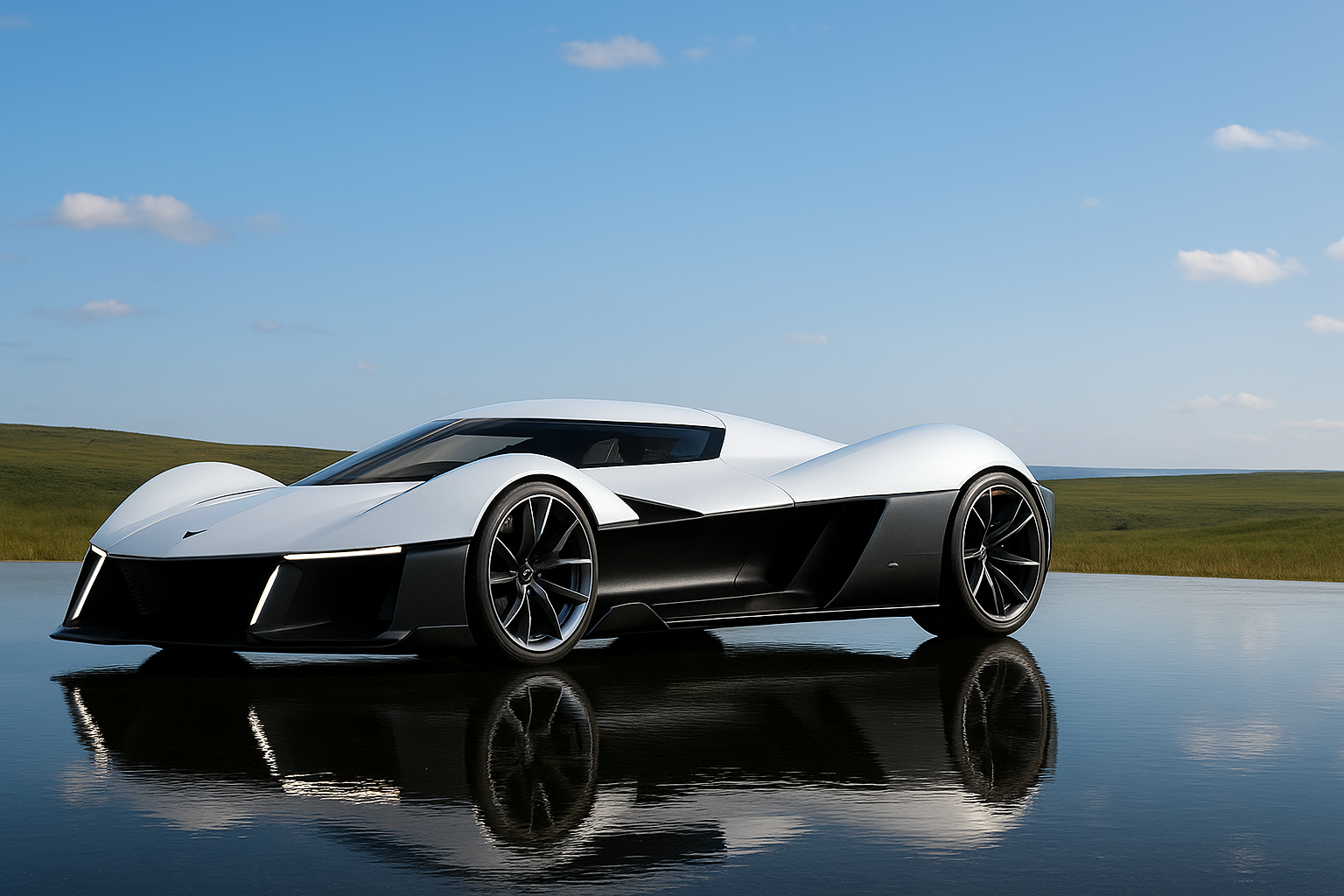
At just 103.4 cm tall, the concept sits lower than most modern sports cars, giving it a sleek, low-slung profile. With a width of 218 cm and length of 466.9 cm, it’s close in footprint to the current C8 Corvette, though far more aggressive in stance.
The concept rolls on 22-inch front and 23-inch rear wheels, wrapped in performance rubber. Aerodynamics were clearly a priority — but not through conventional means. Instead of towering wings or massive diffusers, the car features integrated aero surfaces, producing real downforce through clever shaping and underbody airflow.
There’s even active underbody aero with adjustable geometry, plus retractable fins for added stability in extreme track conditions.
At just 103.4 cm tall, the concept sits lower than most modern sports cars, giving it a sleek, low-slung profile. With a width of 218 cm and length of 466.9 cm, it’s close in footprint to the current C8 Corvette, though far more aggressive in stance.
The concept rolls on 22-inch front and 23-inch rear wheels, wrapped in performance rubber. Aerodynamics were clearly a priority — but not through conventional means. Instead of towering wings or massive diffusers, the car features integrated aero surfaces, producing real downforce through clever shaping and underbody airflow.
There’s even active underbody aero with adjustable geometry, plus retractable fins for added stability in extreme track conditions.
Race-Bred Engineering
Underneath the sleek skin, the concept uses a pushrod suspension setup, a design found primarily in high-level motorsport. The chassis itself is engineered with racecar principles — lightweight, rigid, and performance-focused.
Powertrain details remain under wraps, but we know it’s built on GM’s Ultium EV platform — the same scalable architecture used across the company’s electric portfolio. While there’s no official output or range numbers yet, expectations are high: this is no ordinary EV.
Underneath the sleek skin, the concept uses a pushrod suspension setup, a design found primarily in high-level motorsport. The chassis itself is engineered with racecar principles — lightweight, rigid, and performance-focused.
Powertrain details remain under wraps, but we know it’s built on GM’s Ultium EV platform — the same scalable architecture used across the company’s electric portfolio. While there’s no official output or range numbers yet, expectations are high: this is no ordinary EV.
The End of the V8 Era?
Perhaps the most controversial part of the concept is what it doesn’t have — a V8. For decades, the Corvette’s identity has been inseparable from the rumble of its engine. Replacing that with electric motors is a bold move, and one that’s sure to divide purists and progressives alike.
But this isn’t a decision made lightly. GM CEO Mary Barra has committed the company to a fully electric future, and President Mark Reuss has already confirmed that an all-electric Corvette is on the way.
Perhaps the most controversial part of the concept is what it doesn’t have — a V8. For decades, the Corvette’s identity has been inseparable from the rumble of its engine. Replacing that with electric motors is a bold move, and one that’s sure to divide purists and progressives alike.
But this isn’t a decision made lightly. GM CEO Mary Barra has committed the company to a fully electric future, and President Mark Reuss has already confirmed that an all-electric Corvette is on the way.
Designing for the Next Generation
According to Michael Simcoe, GM’s Global Former VP of Design, the company’s goal is to create concepts that challenge industry norms and chart a course for the next several decades of automotive design.
This new Corvette concept certainly does that. It's daring, polarizing, and uncompromising — just like the best Corvettes have always been.
But it also leaves one key question unanswered: - can the world’s most loyal V8 fans accept a Corvette without the sound that made it a legend?
According to Michael Simcoe, GM’s Global Former VP of Design, the company’s goal is to create concepts that challenge industry norms and chart a course for the next several decades of automotive design.
This new Corvette concept certainly does that. It's daring, polarizing, and uncompromising — just like the best Corvettes have always been.
But it also leaves one key question unanswered: - can the world’s most loyal V8 fans accept a Corvette without the sound that made it a legend?


