
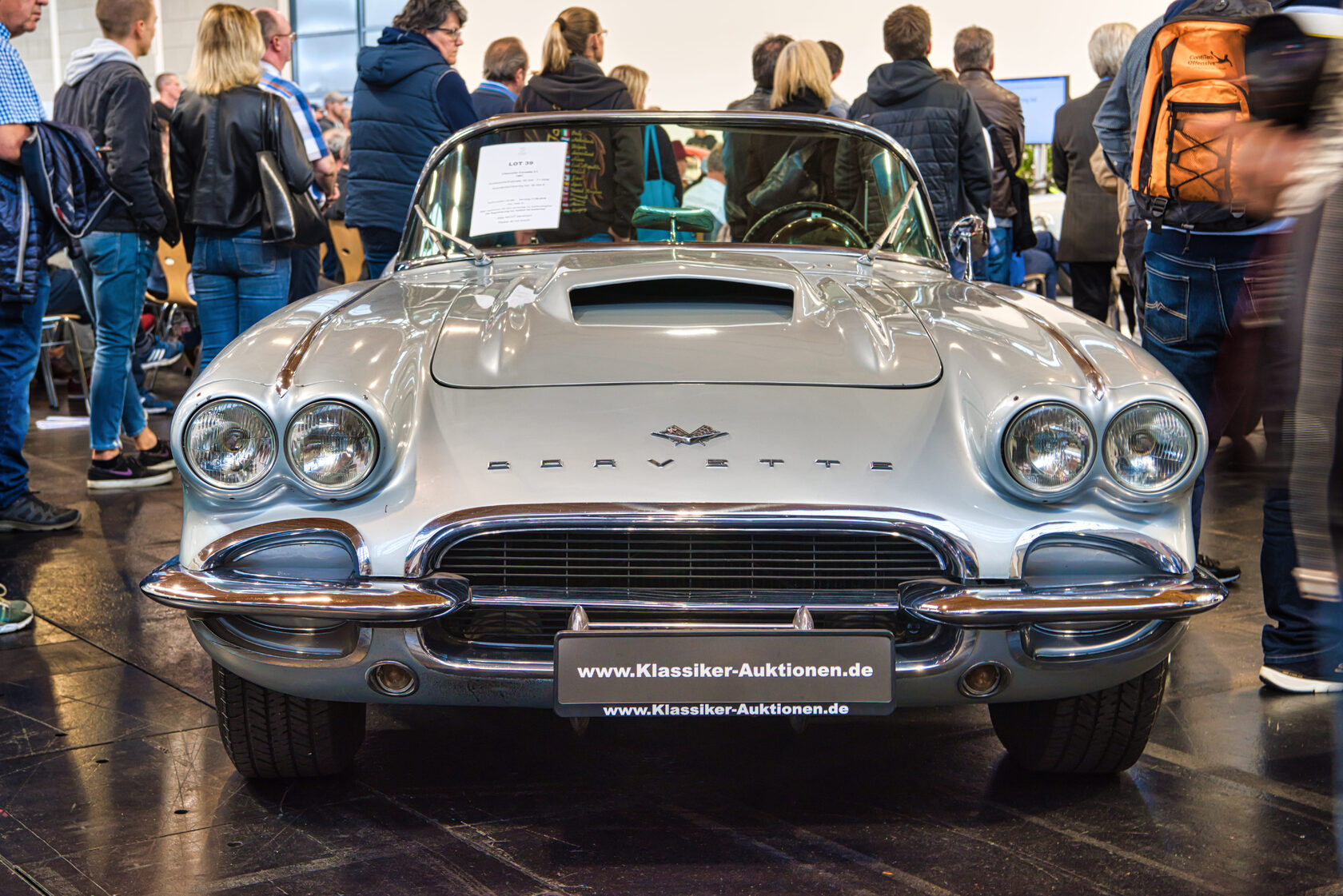
Few cars have captured the spirit of American performance like the Chevrolet Corvette. From its humble beginnings in 1953 to the revolutionary C8 of today, the Corvette has been a constant symbol of innovation, design evolution, and raw driving excitement. Over the course of seven decades, it has undergone remarkable transformations—technically, visually, and culturally—while remaining unmistakably Corvette.
C1 (1953–1962): The Birth of an Icon
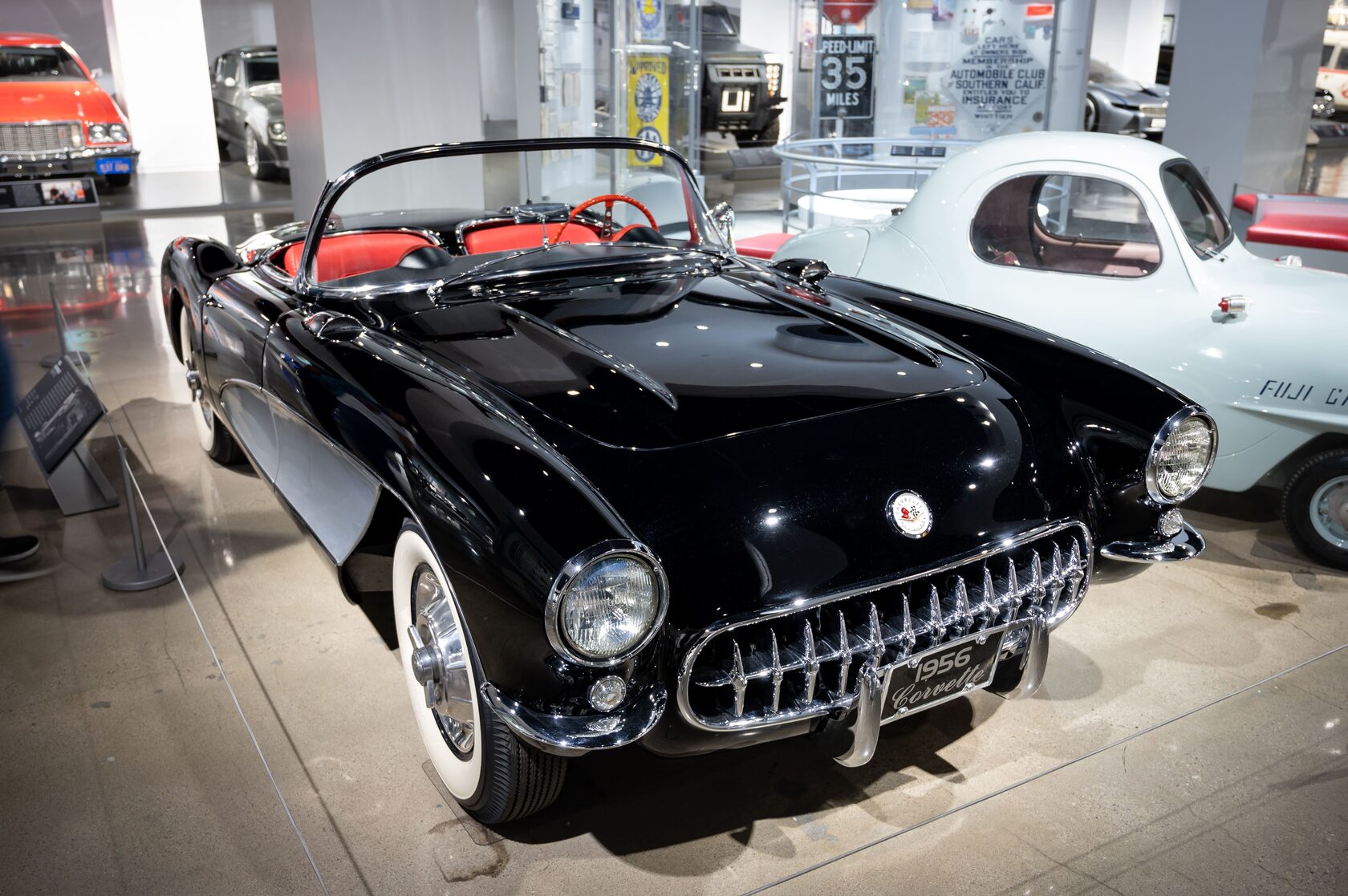
The first-generation Corvette, known as the C1, made its debut in 1953 with a fiberglass body and a Blue Flame inline-six engine. It was more of a stylish cruiser than a serious performance car—until 1955, when Chevrolet introduced the small-block V8. That engine, along with available options like fuel injection and a 4-speed manual transmission, transformed the Corvette into a legitimate sports car. Visually, the C1 evolved from rounded, chrome-laden early designs to the more aggressive and muscular look of the 1961–62 models, previewing the coming revolution.
The first-generation Corvette, known as the C1, made its debut in 1953 with a fiberglass body and a Blue Flame inline-six engine. It was more of a stylish cruiser than a serious performance car—until 1955, when Chevrolet introduced the small-block V8. That engine, along with available options like fuel injection and a 4-speed manual transmission, transformed the Corvette into a legitimate sports car. Visually, the C1 evolved from rounded, chrome-laden early designs to the more aggressive and muscular look of the 1961–62 models, previewing the coming revolution.
C2 (1963–1967): The Sting Ray Arrives
The second generation introduced the now-legendary Sting Ray name and took a massive leap forward in design and engineering. The split-window 1963 coupe is one of the most iconic shapes in automotive history. The C2 introduced four-wheel independent suspension and offered powerful engines like the L88 427 V8. It was a race car in street clothing, blending elegance with aggression. The C2 established the Corvette not just as a muscle car, but as a contender on global sports car circuits.
The second generation introduced the now-legendary Sting Ray name and took a massive leap forward in design and engineering. The split-window 1963 coupe is one of the most iconic shapes in automotive history. The C2 introduced four-wheel independent suspension and offered powerful engines like the L88 427 V8. It was a race car in street clothing, blending elegance with aggression. The C2 established the Corvette not just as a muscle car, but as a contender on global sports car circuits.
C3 (1968–1982): The Mako Shark Legacy
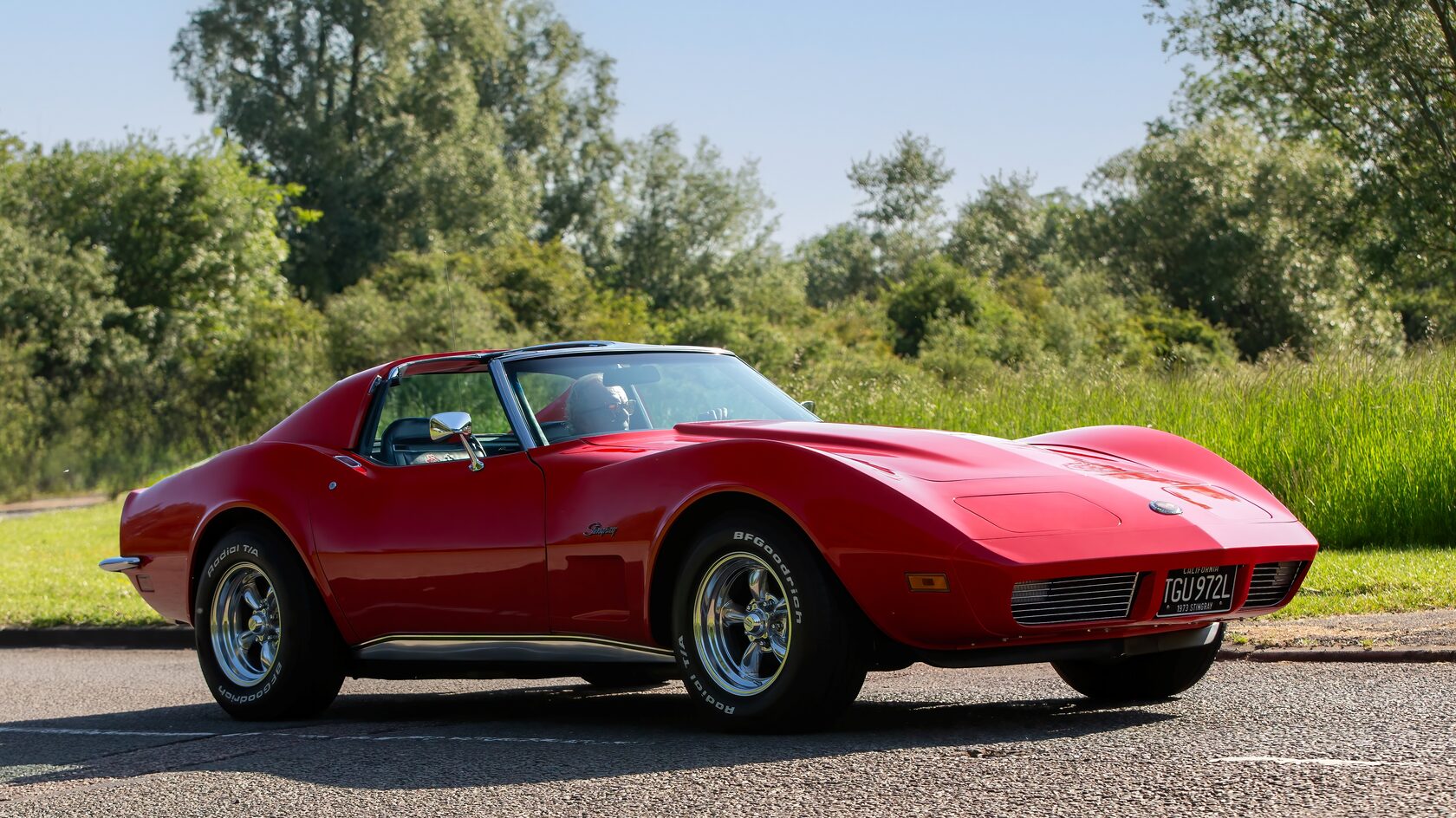
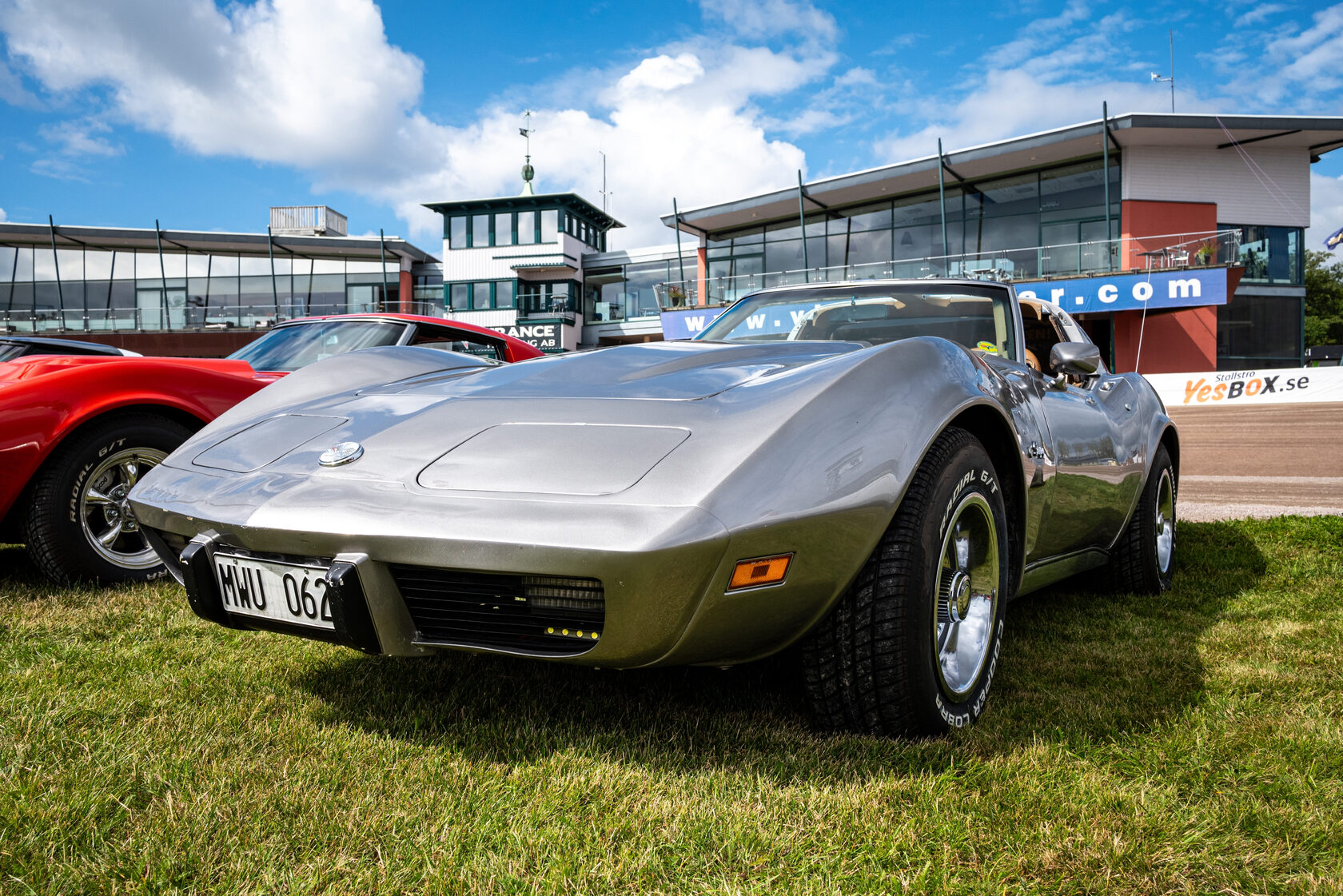
Inspired by the Mako Shark II concept, the C3 Corvette brought dramatic curves and a long, low stance. It reflected the excess and experimentation of the 1970s. Early models packed serious power, with engines like the 454 LS6 V8, but the oil crisis and tightening emissions regulations took their toll. Despite declining horsepower in the mid-to-late 1970s, the C3 remained a cultural icon—symbolizing freedom, rebellion, and American style. It was also the longest-running generation of Corvette, cementing its pop culture legacy.
Inspired by the Mako Shark II concept, the C3 Corvette brought dramatic curves and a long, low stance. It reflected the excess and experimentation of the 1970s. Early models packed serious power, with engines like the 454 LS6 V8, but the oil crisis and tightening emissions regulations took their toll. Despite declining horsepower in the mid-to-late 1970s, the C3 remained a cultural icon—symbolizing freedom, rebellion, and American style. It was also the longest-running generation of Corvette, cementing its pop culture legacy.
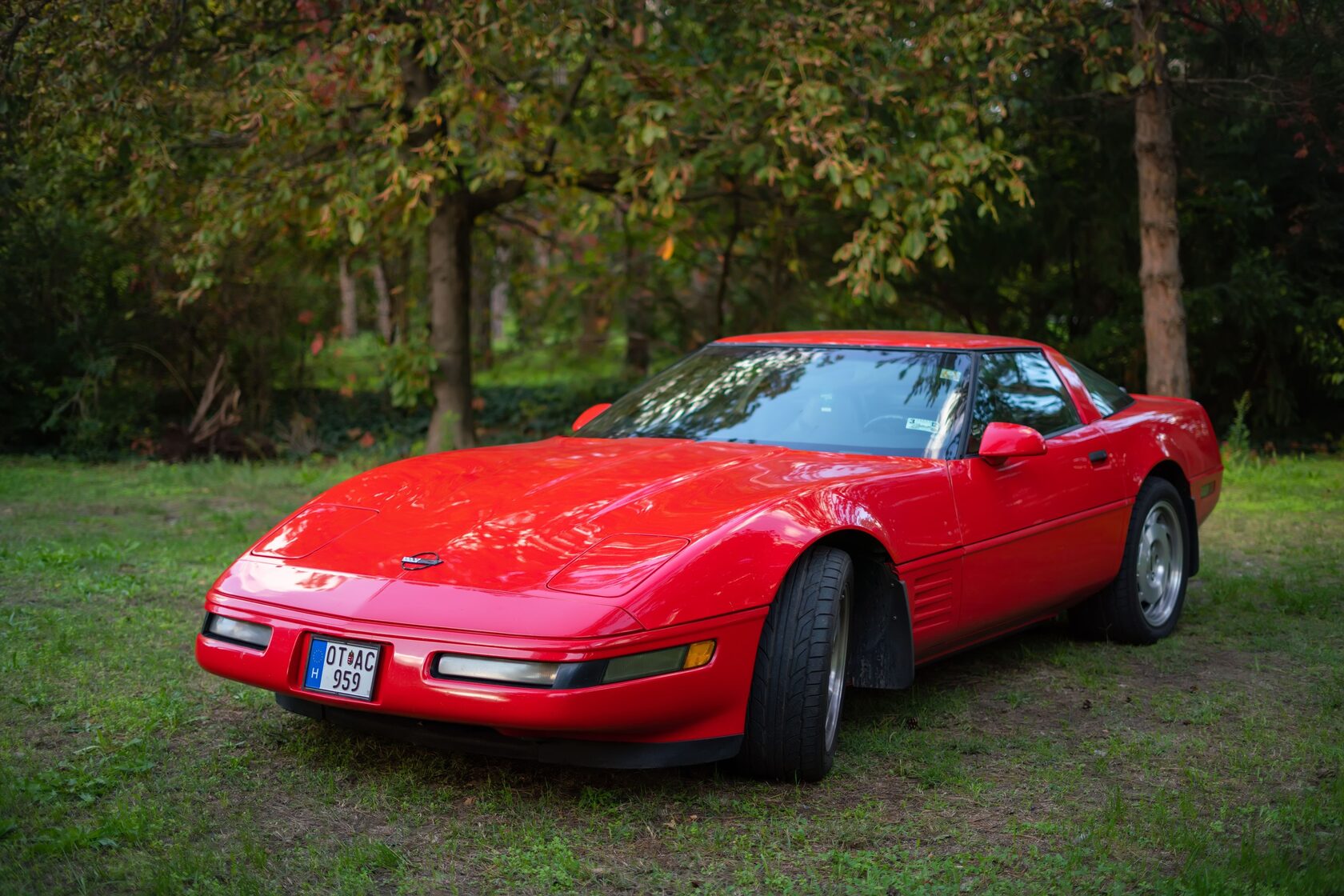
C4 (1984–1996): The Digital Age Begins
The C4 Corvette marked a sharp break from the past. Sleek and angular, it emphasized aerodynamics and featured digital dashboards and onboard computers—a bold move into the modern era. Though initial models were underpowered by today’s standards, the C4 gradually regained performance credibility with models like the ZR-1, which debuted in 1990 with a Lotus-designed DOHC V8 producing 375 hp. It was a technical showcase, and a sign that Chevrolet was serious about making the Corvette competitive with the best from Europe and Japan
The C4 Corvette marked a sharp break from the past. Sleek and angular, it emphasized aerodynamics and featured digital dashboards and onboard computers—a bold move into the modern era. Though initial models were underpowered by today’s standards, the C4 gradually regained performance credibility with models like the ZR-1, which debuted in 1990 with a Lotus-designed DOHC V8 producing 375 hp. It was a technical showcase, and a sign that Chevrolet was serious about making the Corvette competitive with the best from Europe and Japan
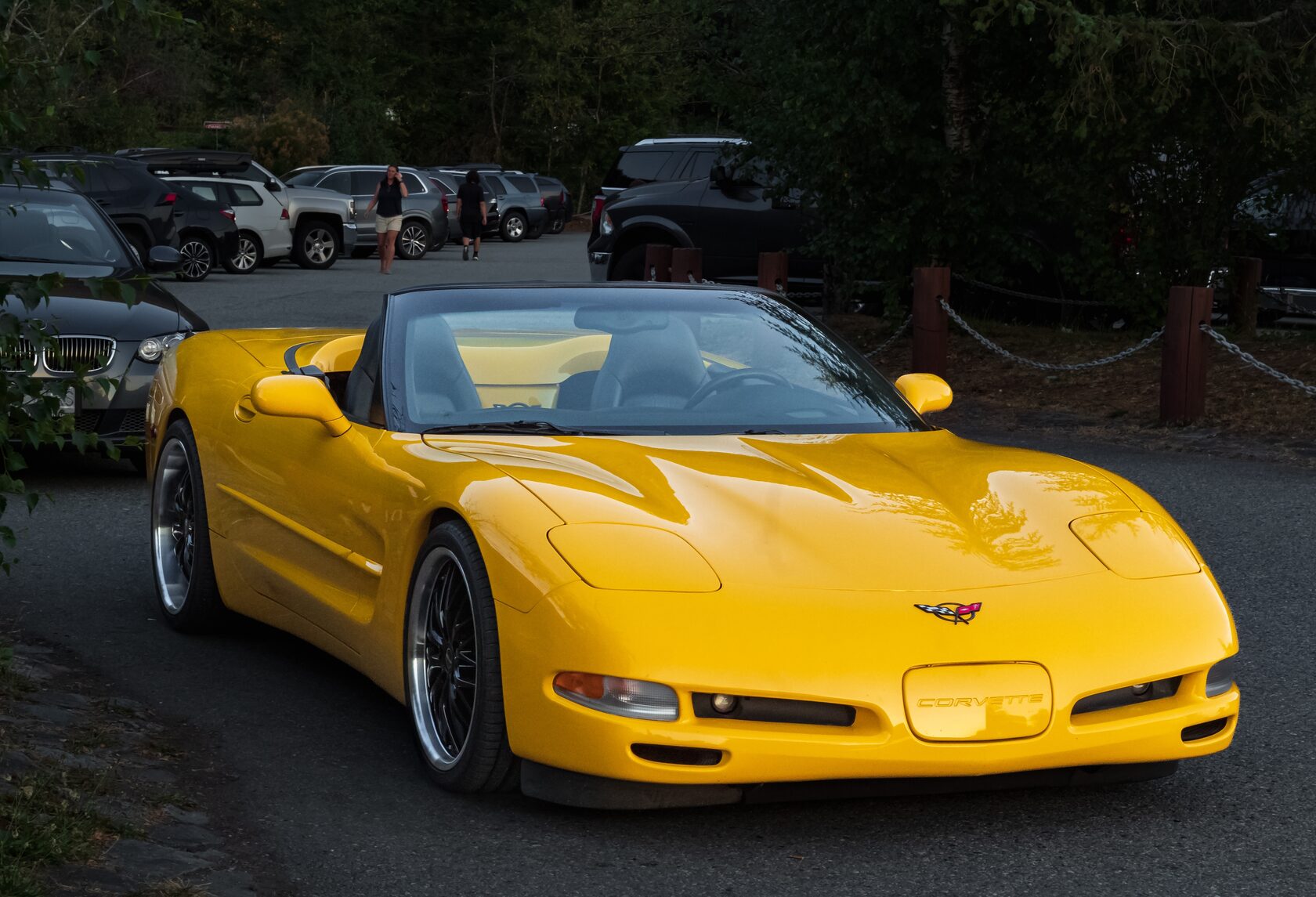
C5 (1997–2004): A New Chassis, A New Era
The C5 was a total redesign from the ground up. It introduced a hydroformed box frame, rear-mounted transaxle, and a new LS1 V8 engine. This resulted in better weight distribution, handling, and performance. The design was smoother and more refined, but still unmistakably Corvette. The C5 also introduced the Z06 nameplate in 2001, which quickly became synonymous with track-focused performance. It was the moment the Corvette was no longer just good “for an American car”—it was good, period.
The C5 was a total redesign from the ground up. It introduced a hydroformed box frame, rear-mounted transaxle, and a new LS1 V8 engine. This resulted in better weight distribution, handling, and performance. The design was smoother and more refined, but still unmistakably Corvette. The C5 also introduced the Z06 nameplate in 2001, which quickly became synonymous with track-focused performance. It was the moment the Corvette was no longer just good “for an American car”—it was good, period.
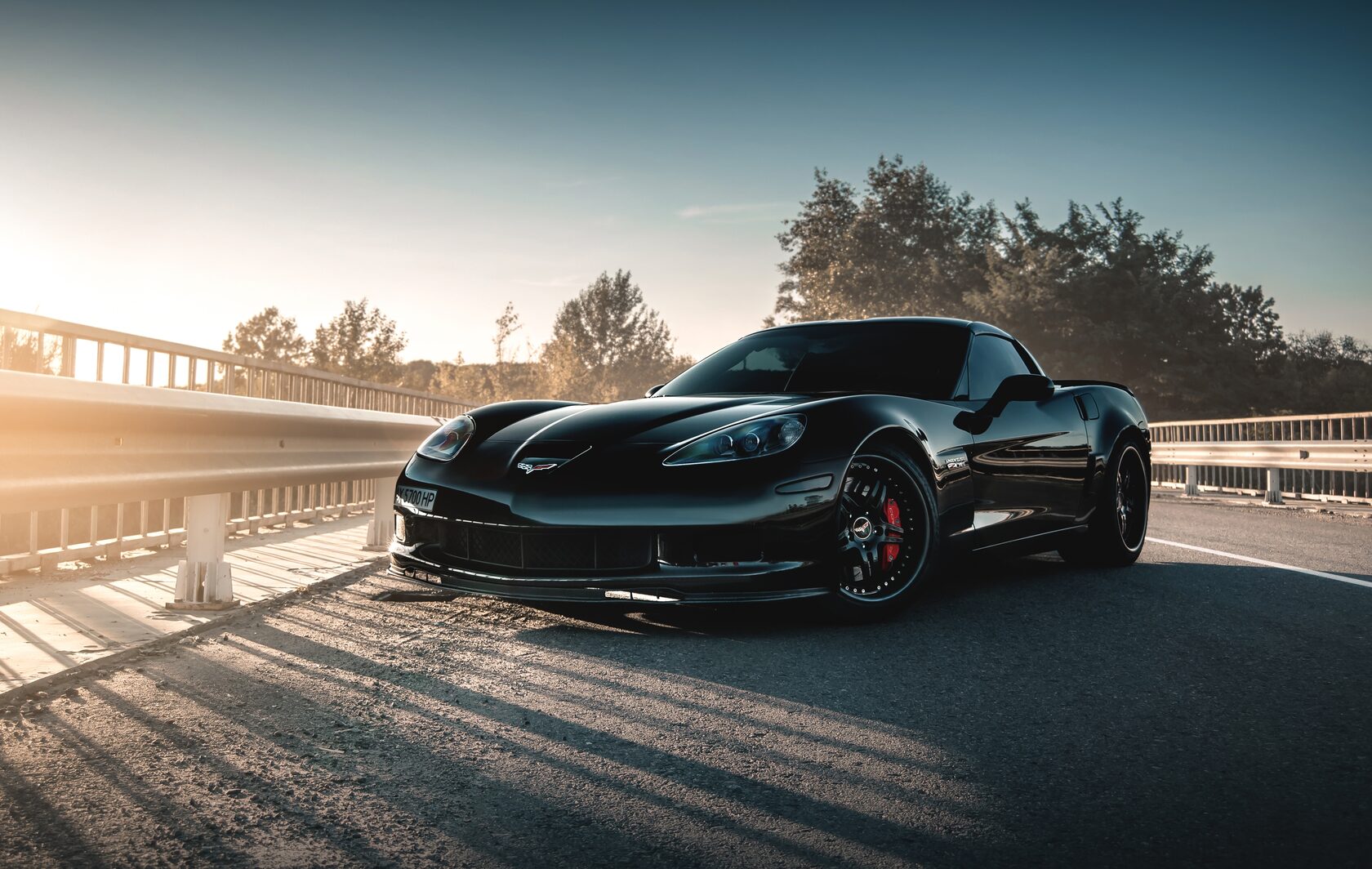
C6 (2005–2013): Refinement and Performance
Building on the C5’s foundation, the C6 brought sharper handling, more power, and a more refined interior. Pop-up headlights were retired, marking the first time since 1962 the Corvette had exposed lamps. The LS2, LS3, and finally the fire-breathing LS7 in the Z06 and supercharged LS9 in the ZR1 pushed performance to supercar territory. The C6 was faster, tighter, and more usable daily than any Corvette before it. It also made a strong presence in motorsports, especially at Le Mans, where the C6.R became a fan favorite.
Building on the C5’s foundation, the C6 brought sharper handling, more power, and a more refined interior. Pop-up headlights were retired, marking the first time since 1962 the Corvette had exposed lamps. The LS2, LS3, and finally the fire-breathing LS7 in the Z06 and supercharged LS9 in the ZR1 pushed performance to supercar territory. The C6 was faster, tighter, and more usable daily than any Corvette before it. It also made a strong presence in motorsports, especially at Le Mans, where the C6.R became a fan favorite.
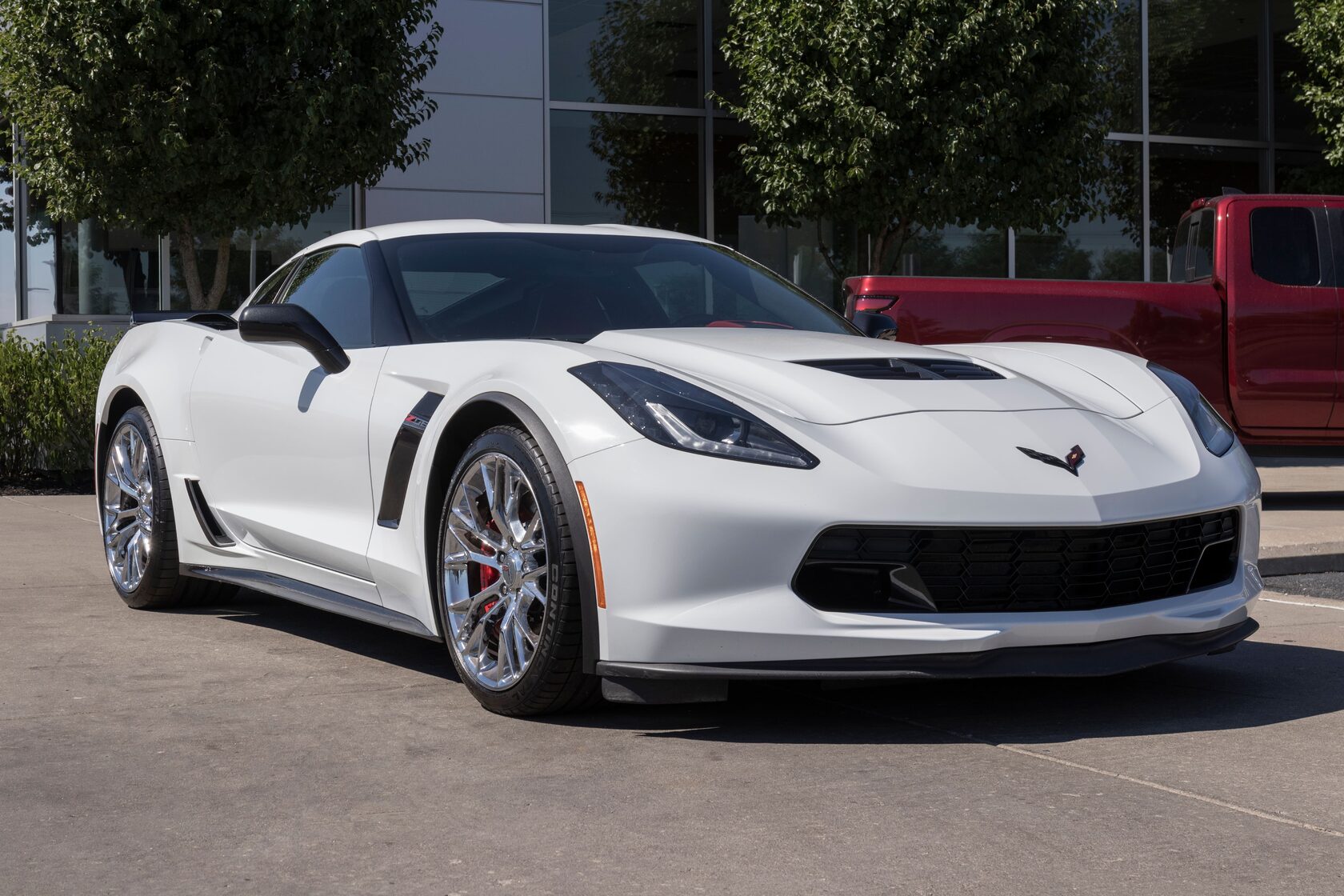
C7 (2014–2019): Modern Muscle
The C7 Corvette embraced technology and angular, aggressive design. It reintroduced the Stingray name and brought modern touches like direct injection, active aerodynamics, and a high-tech interior. The Z06 returned with a 650 hp supercharged LT4 engine, and the ultimate version—the C7 ZR1—produced 755 hp. The Corvette was no longer just a sports car; it was a world-class performance machine capable of battling Ferraris and Lamborghinis. And yet, it remained remarkably affordable in comparison.
The C7 Corvette embraced technology and angular, aggressive design. It reintroduced the Stingray name and brought modern touches like direct injection, active aerodynamics, and a high-tech interior. The Z06 returned with a 650 hp supercharged LT4 engine, and the ultimate version—the C7 ZR1—produced 755 hp. The Corvette was no longer just a sports car; it was a world-class performance machine capable of battling Ferraris and Lamborghinis. And yet, it remained remarkably affordable in comparison.
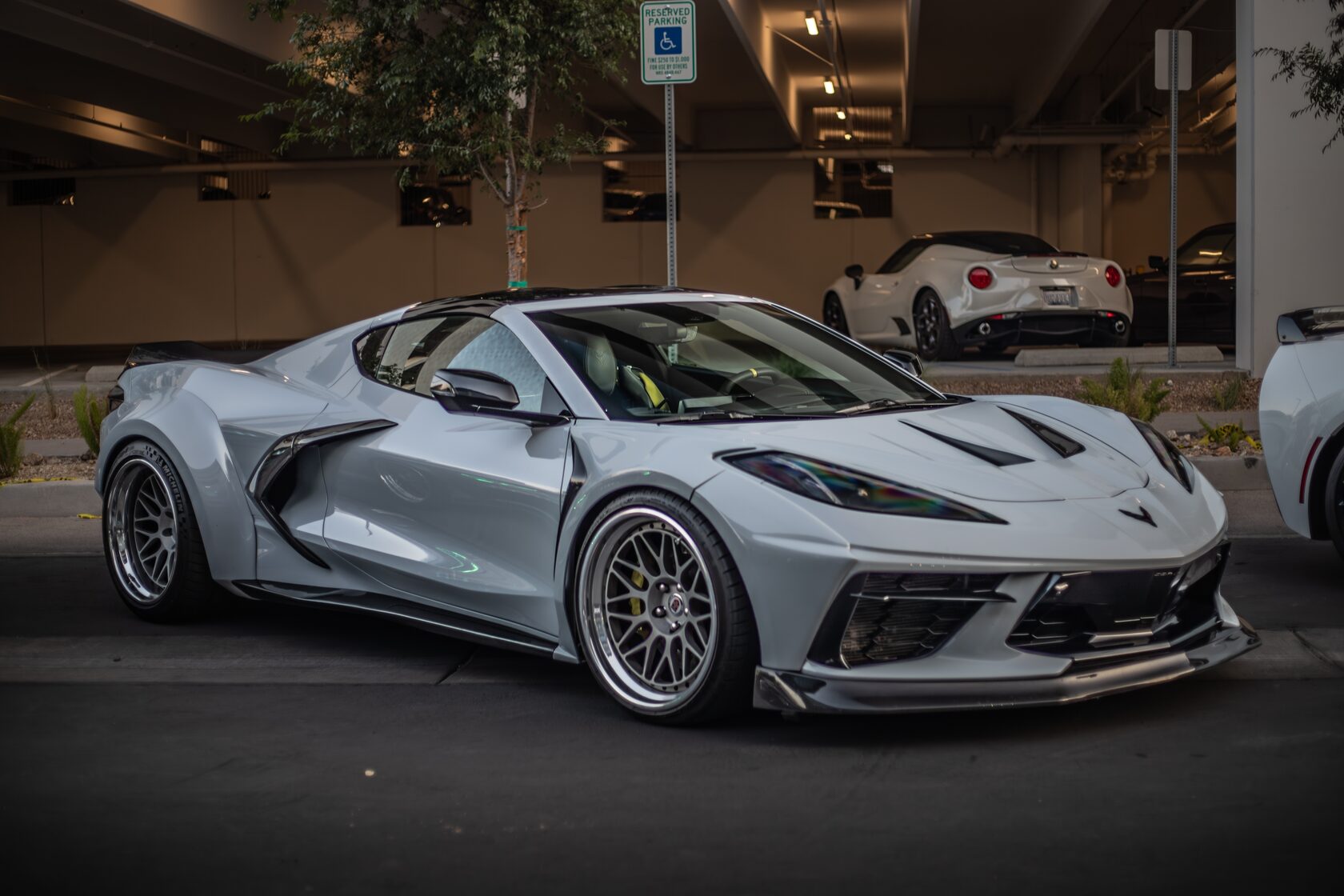
C8 (2020–Present): Mid-Engine Revolution
The biggest change in Corvette history came with the C8. After decades of rumors, Chevrolet finally moved the engine behind the driver, transforming the Corvette into a true mid-engine supercar. The base Stingray offers 495 hp and 0–60 mph times under 3 seconds. The C8 Z06 goes even further, with a naturally aspirated flat-plane V8 screaming to 8,600 rpm. It’s not just a new chapter—it’s a rebirth. The Corvette has now entered the global supercar arena without losing its American heart.
The biggest change in Corvette history came with the C8. After decades of rumors, Chevrolet finally moved the engine behind the driver, transforming the Corvette into a true mid-engine supercar. The base Stingray offers 495 hp and 0–60 mph times under 3 seconds. The C8 Z06 goes even further, with a naturally aspirated flat-plane V8 screaming to 8,600 rpm. It’s not just a new chapter—it’s a rebirth. The Corvette has now entered the global supercar arena without losing its American heart.


